 Suzuki Marine
 Suzuki Motorcycles
family cars: how to choose the right one

When choosing a good car for your family, look at five things: safety, space, comfort, running costs and technology.
Getting those right makes a real difference to everyday life. Family cars carry more than people. They handle car seats that need fitting in seconds, school runs that tend to begin before anyone else is on the roads and boots full of footy gear, prams and the weekly groceries. The best family car for you is the one that makes all that easier.
This guide covers what to look for in cars for a family, how to compare SUVs and hatchbacks, and which questions to ask before you buy. If this is your first new car, start with our complete guide to buying your first car.
What Should You Look for When Choosing a Family Car?
Use this family car checklist to compare good family vehicles side by side:
- Safety: Check the car’s ANCAP safety rating and the year it was tested, the number and position of airbags, and driver-assist technology such as autonomous emergency braking and blind spot monitoring.
- Space: Look at boot space in litres, whether you need a 5-seater or a 7-seater car, and how many ISOFIX and top tether points are fitted for child seats.
- Comfort: Look for rear seats that fold flat, rear air vents to keep kids comfortable, and plenty of cabin storage for drink bottles, snacks and devices.
- Running costs: Compare official fuel consumption figures. A hybrid family car can cut fuel spend, especially on short trips and in stop-start traffic. Our guide to comparing electric and hybrid cars vs petrol cars explains the trade-offs.
- Technology: Apple CarPlay and Android Auto, a reversing camera and parking sensors make busy days simpler and tight car parks less stressful.
What Safety Features Should a Family Car Have?
A family car should combine strong crash protection with technology that helps avoid a crash in the first place. Look for:
- An independent safety rating
ANCAP safety ratings are Australia’s independent crash test results. Ratings are dated and expire after six years, so check when the car was tested as well as the score.
- Airbag coverage
Front, side and curtain airbags that extend to the rear seats protect passengers in the second row, where children usually sit.
- Autonomous emergency braking (AEB)
Detects vehicles, and in some systems pedestrians and cyclists, and brakes automatically if needed.
- Blind spot monitoring and rear cross traffic alert
Useful when reversing out of driveways and busy school car parks.
- Lane assist and adaptive cruise control
These reduce fatigue on long drives to the coast or to Grandma’s.
- Rear child locks and ISOFIX points
These keep car seats secure and little hands away from door handles.
Safety equipment varies by model and grade, so compare the specific grade you’re considering. You can read more about Suzuki’s driver-assist technology on our safety page.
How Much Boot Space Do You Need in a Family Car?
Most families of four need around 350 litres of boot space or more. That is enough for a folded pram plus the weekly shop, while 400 litres or more gives extra room for holiday luggage and sports gear. Seats that fold flat are not only useful, but important, because they let you carry bikes or flat-pack furniture when you need to.
Boot figures are measured in different ways, so the best test is to bring your pram or sports bag to the dealership and try it. Across Suzuki’s family SUV range, the S-Cross offers the most boot space, the Vitara Hybrid sits in the middle, and the compact Fronx Hybrid suits smaller loads and city errands.
5-Seat or 7-Seat: Which Does Your Family Need?
It depends on your family size and how often you carry extra passengers. Most families with one or two children are well served by a 5-seater, which usually offers a bigger boot, lower running costs and easier parking than a 7-seater car.
A 7-seater makes sense if you have three or more children, regularly carpool to school or sport, or often travel with grandparents. Keep in mind that the third row in many 7-seaters is best suited to children, and boot space shrinks considerably when all seats are in use.
Before you decide, count how many seats you need on a typical week, not on the busiest day of the year.
SUV or Hatchback: Which is Better for a Family Car?
For most families, a small to medium SUV is the better fit thanks to its higher seating position, easier child seat access and a more versatile boot space. A hatchback can still suit smaller families who prioritise low running costs and city parking.
|
Factor |
SUV |
Hatchback |
|
Boot space |
Generally larger, with a taller boot area for prams and bulky items |
Generally smaller, but enough for one child and errands |
|
Seating flexibility |
More rear legroom and headroom, with easier access to fit car seats |
Tighter rear seat, so fitting bulky car seats takes more effort |
|
Ride height and visibility |
Higher seating position for a better view of the road; less bending to load kids |
Lower to the ground, which some drivers find easier to park |
|
Running costs |
Slightly higher on average, though hybrid SUVs close the gap |
Usually lower fuel use and purchase price |
If you plan regular trips on gravel or into the snow, an all-wheel-drive family SUV is worth considering. Our AWD vs 4WD comparison guide explains the difference, or you can compare family SUVs side by side.
Suzuki Family Car Options
Suzuki’s family SUV range covers three sizes, each suited to a different stage of family life.
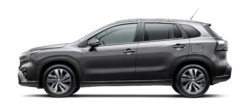
- S-Cross is the largest of the three and the most practical choice for growing families. It offers the biggest boot in the range, a roomy rear seat with space for two child seats, and a comfortable ride for weekends away.
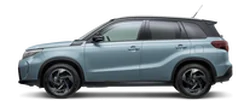
- Vitara Hybrid balances space with fuel efficiency. Its hybrid powertrain is designed to reduce fuel use in stop-start driving, making it a fuel-efficient family car for daily school runs and suburban errands.
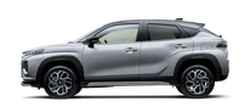
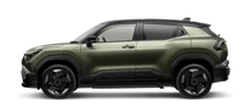
- Fronx Hybrid is the most compact option, suited to couples planning to start a family or families with one young child who want easy city parking and low running costs.
All three are fitted with ISOFIX and top tether points for child seats, along with smartphone connectivity. Every new Suzuki is also backed by Suzuki’s warranty coverage, giving families extra peace of mind.
Frequently Asked Questions
What should I look for when choosing a family car?
Look at five things: safety, space, comfort, running costs and technology. Check the ANCAP safety rating and test year, boot space in litres, ISOFIX and top tether points, fold-flat rear seats, official fuel consumption, and features like a reversing camera and smartphone mirroring. Then test the car with your own car seats.
SUV or hatchback: which is better for a family car?
For most families, an SUV is the better choice. It offers a higher seating position, easier access when fitting child seats and a larger, more versatile boot. A hatchback can suit smaller families who want lower fuel costs and easier city parking. Hybrid SUVs help narrow the running cost gap between the two.
How much boot space do I need in a family car?
Most families of four need around 350 litres or more, enough for a folded pram and the weekly shop. Families who travel often or carry sports gear should look for 400 litres or more. Fold-flat rear seats add flexibility, and testing the boot with your own pram is the most reliable check.
What safety features should a family car have?
Look for a current ANCAP safety rating, front, side and curtain airbags that cover the rear seats, and autonomous emergency braking. Blind spot monitoring, rear cross traffic alert and lane keep assist add everyday protection. ISOFIX points and rear child locks keep children secure. Features vary by grade, so check the exact model.
Do I need a 7-seater car for my family?
Most families don’t. 5-seater suits families with one or two children and usually offers a bigger boot and lower running costs. A 7-seater makes sense if you have three or more children, carpool regularly or often travel with other family members. Remember the third row is often best suited to kids.
How many ISOFIX and top tether points does a family car need?
In Australia, most child restraints need a top tether point, and ISOFIX makes fitting simpler and more secure. Most 5-seaters have two ISOFIX points on the outer rear seats and three top tether points. Families with three young children should check that all three rear seats can fit a restraint side by side.
Is a hybrid a good choice for a family car?
Yes, for many families. Hybrids are most efficient in stop-start driving, which describes most school runs and suburban errands. They use less fuel than equivalent petrol models and don’t need plugging in. The upfront price can be higher, so compare fuel savings against the purchase price over the years you plan to keep the car.
What’s the difference between a family car and a regular car?
A family car is designed around passengers and practicality. It typically offers more rear legroom, a larger boot, multiple ISOFIX and top tether points, rear air vents and extra storage. Many family cars are SUVs or larger hatchbacks, but any car that suits your family’s seating, safety and space needs can qualify.
Find the Right Family Car for You
The best family car in Australia is the one that fits your family’s routine, budget and space needs. Use the checklist above, test drive with your car seats in the back, and compare models on the specs that matter to you.
Compare Suzuki’s family SUVs, explore flexible finance options, or build and price your Suzuki today.